
Tyra
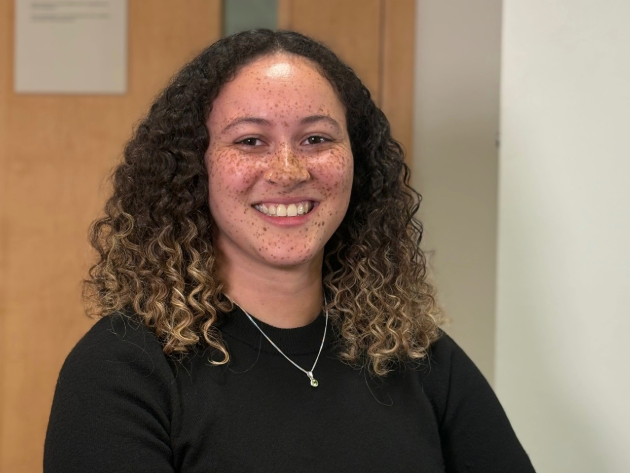
The thing that inspired me to be a Trainee Solicitor with the Crown Prosecution Service was mainly the fact that crime is a really interesting area of law. I feel quite passionately about doing a job that helps others, and that's why I got into law.
A typical day for a trainee did vary. It will depend on the unit that you're in. But essentially, you may be shadowing in court on one day, and you can observe lawyers in the magistrates’ court or Crown Court.
On another day, you may be doing review work, so you may be at home or in the office alongside a supervisor, working on cases at different points in their life span.
During my training, I essentially split it up into four six‑month blocks. I started with the Crown Court unit. I then moved to an external secondment at a private law firm. I then did six months split across Rape and Serious Sexual Offences (RASSO) and the Serious Economic, Organised Crime and International Directorate (SEOCID).
For the final six months, I was an Associate Prosecutor on the magistrates’ court unit, so I got to see a variety of different units in my area, and that gave me a lot of experience. It really does vary, and that's what keeps it so interesting.
I think it's important for people to know that senior members of staff are really involved in the Legal Trainee Scheme. In my area, the Chief Crown Prosecutor involved us in a meeting where she asked how we felt the legal trainee scheme could be improved.
I also had a qualifying ceremony with the Director of Public Prosecutions, and he discussed with us how he felt things could be improved. That makes me feel that people are listening and taking our feelings into consideration, and that the scheme will only continue to improve.
I think that a real benefit of applying to the Crown Prosecution Service is the security of knowing that you will have a secure job at the end of the Legal Trainee Scheme, and that's something that sets it apart from other training contracts.
As a solicitor on the Legal Trainee Scheme, I qualified as a Crown Prosecutor, and my role now entails mainly magistrates’ court advocacy but also magistrates’ court review work. If you follow that pathway, you can become a Crown Prosecutor once you've qualified.
I feel really strongly about diversity, and the fact that the Crown Prosecution Service is so committed to working on that area is something that resonates with me and that I feel I can make a difference with.
If somebody approached me and asked about applying for the Legal Trainee Scheme, I would encourage them to do so. I think it's great experience at any age and at any stage in your legal career, and that the Crown Prosecution Service is a great place to work.


