
Bernardina
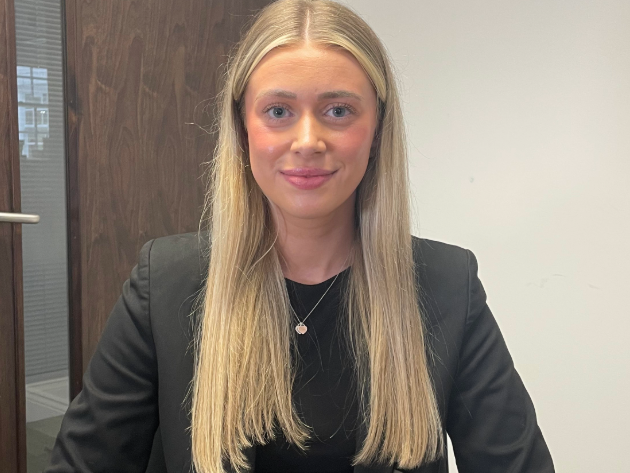
My name is Bernardina, and I'm a Crown Prosecutor. I knew for quite a long time that I wanted to go into the legal profession. I wanted to be a solicitor in particular because I typically enjoy the review side of things, and criminal law was always something I was really interested in. I thought it was such a rewarding sector to be in – ensuring that defendants are convicted of the right crime and that we get the just outcome for victims. That was always really inspiring to me and something that I wanted to pursue.
I'd heard from a lot of people that the Crown Prosecution Service was a really supportive organisation to work for, and I got that impression from the outset. It felt like a really supportive place to learn, and it offered everything I was looking for. Both solicitors and barristers can apply for the Legal Trainee Scheme. As a solicitor, it's a two‑year scheme.
You spend quite a lot of your first six months observing in the magistrates’ court and Crown Court. You then get the opportunity to complete external secondments, and in your last six months of training you are on your feet as an advocate in the magistrates’ court, building those skills – which is quite unique.
I spent six months in private practice for one of my secondments, working on employment law, and I also spent three months at the Attorney General’s Office. That was really insightful, and I had an amazing experience there. I worked on unduly lenient sentences, contempt of court matters, consents to prosecute. It’s something I really recommend.
I think the biggest benefit of working for the Crown Prosecution Service is the flexibility the training contract offers.
You’re really able to curate the experience based on where your aspirations lie and where you see yourself in the future. One of the beneficial staff perks is flexi leave. Sometimes you naturally work over your contracted hours, especially if you’re working on a big case or something unexpected comes up. We accrue flexi leave and use it to book time off, which is great.
At the end of your training contract, you're graded through to a Crown Prosecutor role. I felt so proud of myself. Any aspiring solicitor or barrister knows how much work is involved in achieving that goal and how much effort it takes to get to that point.
I was the first in my family to go to university and get a law degree, so it was quite challenging at times to break into the profession. I managed to obtain my training contract during my second year of university. I graduated, completed my Legal Practice Course (LPC), and came here. Now I’m really proud to say that I'm a qualified solicitor at the age of 24, and I think it will probably be my biggest achievement to date.


