40 years of delivering justice

In 1986, Parliament created the Crown Prosecution Service to prosecute criminal cases independently and fairly. Forty years on, explore the history, the people, and the work that has shaped justice in England and Wales.

Make sure you check back throughout the year and follow us on LinkedIn, Instagram and X for the latest updates.

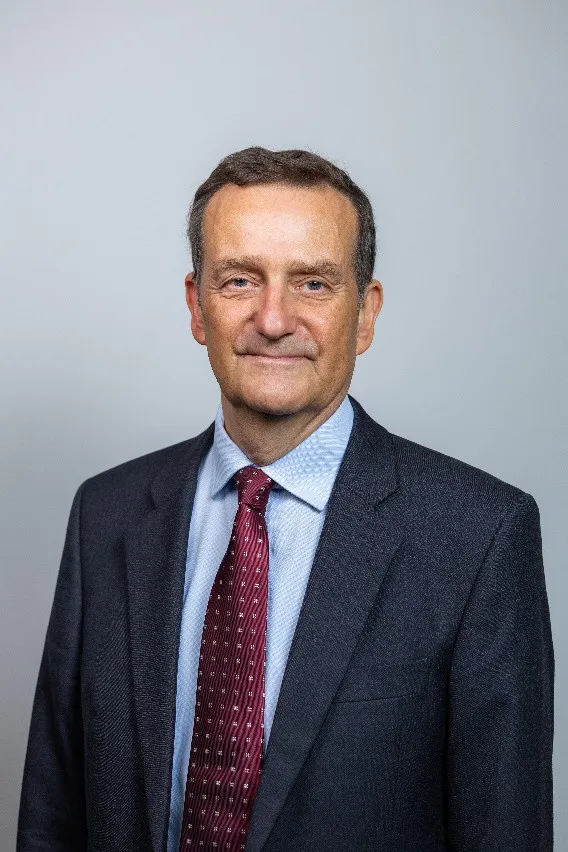
Stephen Parkinson, Director of Public Prosecutions

Forty years ago, Parliament made a decision that changed the justice system in England and Wales.

It created, for the first time, an independent prosecution service - separate from the police, with a clear purpose: to make prosecution decisions fairly and in the public interest.

My connection to the Crown Prosecution Service goes back further than its creation - I joined its predecessor in 1984, transferred to the CPS on its formation, and my career has interwoven with the CPS ever since. I'm proud to be a part of it.

The CPS is what it is because of the people who work here - everyone in our organisation has kept justice moving, often under real pressure, with caseloads that are high and cases that are increasingly complex.

1 April marks the date that legislation came into force. In October, we'll also mark the moment the service became fully operational.

Take a moment to explore the CPS’s history, the milestones, and the stories behind 40 years of delivering justice.

Why was the CPS created?

Before 1986, there was no single organisation responsible for prosecuting criminal offences in England and Wales. Instead, prosecutions were brought by a range of people: private individuals, police officers, police solicitors, county prosecutors and local law firms. The result was a system that lacked consistency, fairness and accountability.

The office of the Director of Public Prosecutions had existed since 1879, but its role was limited to cases of particular importance or difficulty. Almost all prosecutions continued to be led by the police.

This created significant problems. Different police forces applied different standards when deciding whether to prosecute. A significant number of weak cases reached court that should never have done so.  In fact, 43% of cases that ended in acquittal failed because there simply was not enough evidence to begin with.  And perhaps most fundamentally, the organisation investigating a crime was also deciding whether to prosecute - without independent oversight.

Jordan and Sadia

The case for change

Concerns about the prosecution system had been raised as far back as 1962, when a Royal Commission on Police warned that it was "undesirable" for officers to act as prosecutors except in minor cases.

In 1978, a Royal Commission on Criminal Procedure was established to examine the system properly.

Its questions were straightforward: was the system fair? Were there unexplained differences in how cases are handled across the country? And could those making prosecution decisions be held publicly accountable?

When the Commission reported in 1981, its conclusions were clear. The police should not be responsible for both investigating offences and deciding whether to prosecute. It called for a new service - one with independent legal expertise, separate from the investigative process, and accountable to Parliament and the public. 

Fair, effective and independent prosecutions

The Crown Prosecution Service (CPS) was established in 1986 to do exactly that: prosecute independently, based on evidence and in the public interest.

The CPS's independence is the foundation of everything it does. When prosecutors decide whether to prosecute someone, that decision must be made impartially, based on the evidence, and in the public interest.

Every prosecution decision is based on the same two-stage test: is there enough evidence to provide a realistic prospect of conviction, and is it in the public interest to prosecute? Applying that test consistently and independently, across every case, is what makes the system fair - for suspects, victims, witnesses, and the wider public. 

What delivering justice looks like

CPS colleagues share what justice means to them - the cases that stayed with them, the moments that mattered, and why the work they do makes a real difference to people's lives.

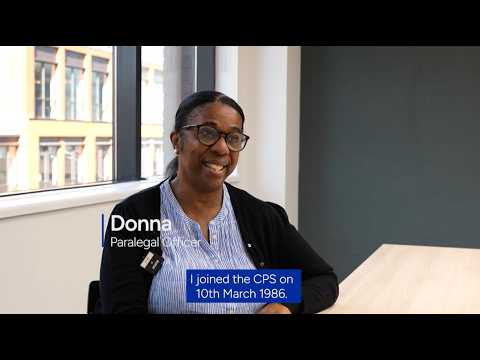
‘Five years after the trial, the victim returned to tell me that she’d secured a place at university, remembering the words I shared with her’
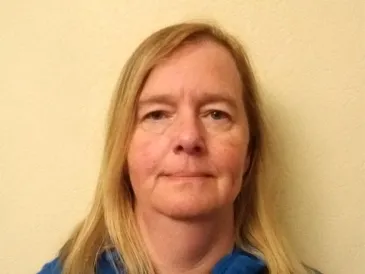
Kerstin, Advocacy Clerking Manager

'I’ve had many meaningful moments during my career, but the most humbling was while I was a Paralegal Officer on a case involving a 14-year-old victim. While we waited for the jury, I spoke to her in the witness service room and told her to be proud of herself for speaking up.

'Five years later, she returned to tell me she had secured a place at university, remembering the words I’d shared with her that day. It’s moments like that which remind me why the work matters. I’m proud to work at the CPS because even in the face of pressure, many of us are driven by the impact we can have on someone’s life.

'I’m three years shy of 40 years with the CPS. I began my career as a temporary receptionist and administrative assistant, before progressing through a range of roles across several CPS Areas.

'Since 2012, I’ve been an Advocacy Manager. I’m responsible for ensuring the right counsel is instructed on the right case, so that victims and witnesses receive the best possible service and cases are progressed effectively.

'My favourite part of my job is problem solving - finding ways to make things work better. I’ve also been inspired by people along the way. One manager taught me to treat every case as a “living, breathing file”, never forgetting that each one represents real people and real lives.'

CPS colleagues reflect on 40 years of delivering justice
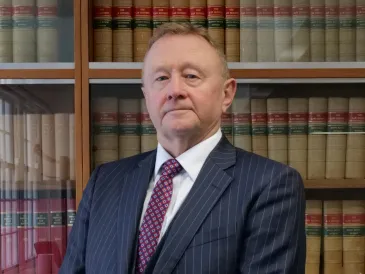
Paul
CPS Crown Advocate

"For me, the moment justice is truly captured is the successful conclusion of a long, difficult trial — where police, victims, witnesses and many others have all pulled together. Getting twelve people in a room to agree on anything is no small thing. But when a conviction is achieved after all of that, it does affect lives. And that's what makes it rewarding."
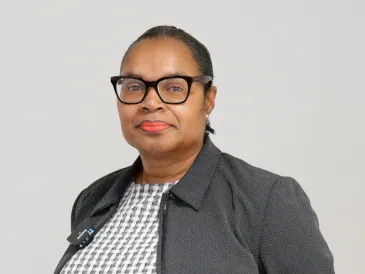
Dolores
CPS Senior District Crown Prosecutor

"It's absolutely critical that the prosecution is separate from the investigation. We don't prosecute to secure a conviction at all costs — we prosecute in the interests of justice. When that's your focus, fairness is at the heart of everything you do."
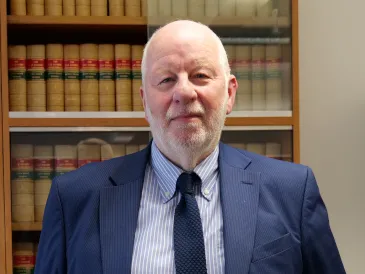
Ian
CPS District Crown Prosecutor

"Our judiciary is independent. Our prosecution process is independent. It’s easy to take that for granted — but it's something we should be proud of." 
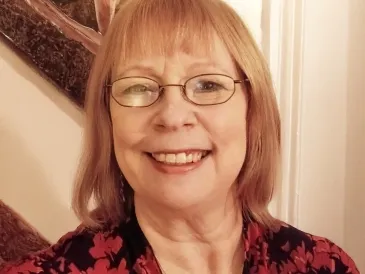
Sian 
Case Progression Officer

“I have been fortunate enough to work on a variety of interesting cases over the years. I sometimes feel like the CPS has been my whole life and I can’t imagine not being part of it”

Rashmi
Casework Assistant

“My role may be behind the scenes, but the work we do helps to move cases forward and contributes to the bigger picture of delivering justice.”